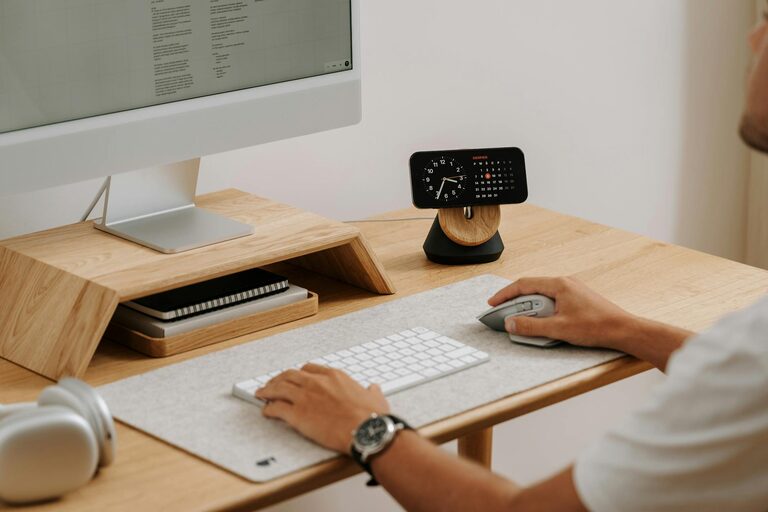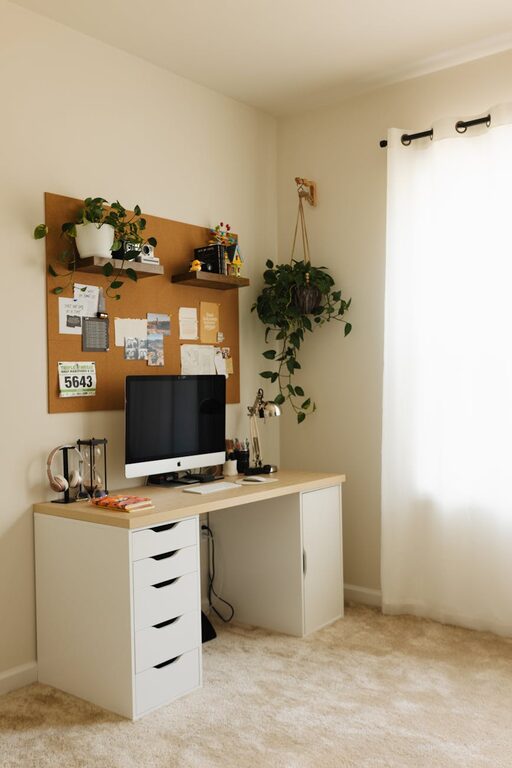
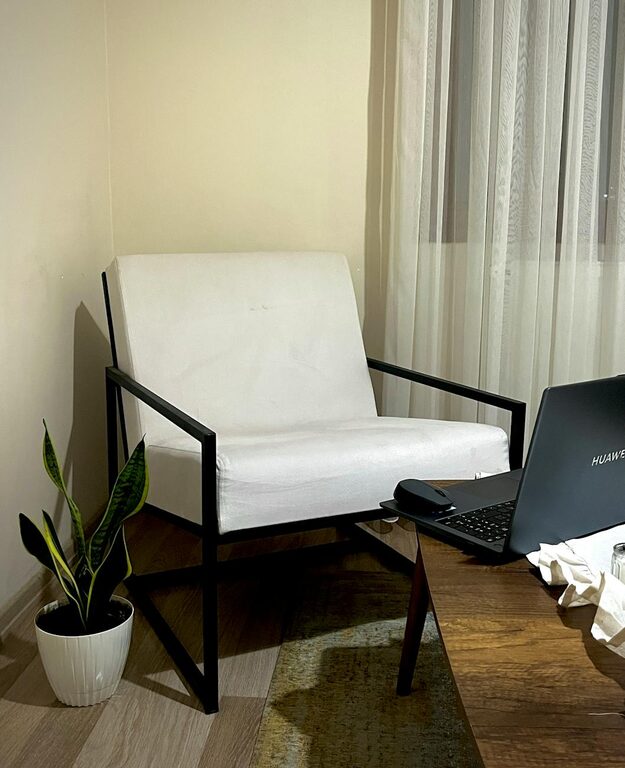
Creating a cozy and inviting home workspace is more important than ever. Whether you work remotely full-time or need a spot for occasional tasks, a thoughtfully arranged workspace can boost productivity, improve focus, and make work feel more enjoyable. The good news is that making your workspace both functional and welcoming doesn’t have to be complicated or expensive. Here are some practical tips to help you design a cozy and inviting home workspace.
1. Choose the Right Location
Finding the perfect spot in your home is the first step. Consider these factors when selecting a location for your workspace:
– Natural light: Position your desk near a window if possible. Natural light can lift your mood and reduce eye strain.
– Quietness: Pick a quiet area where interruptions and noise are minimized.
– Space: Make sure there is enough room for your desk, chair, and any equipment you need.
– Privacy: If you live with others, try to find a spot where you can work without being distracted or disturbed.
Choosing the right location sets the foundation for a productive and comfortable workspace.
2. Invest in Comfortable Furniture
Comfort is key to maintaining focus throughout the day. Here’s what to consider:
– Ergonomic chair: Look for a chair that supports your back and encourages good posture. Adjustable height and lumbar support are ideal features.
– Desk: Your desk should be at a height where your elbows are at a 90-degree angle when typing. If space allows, choose a desk with storage options.
– Footrest: If your feet don’t comfortably reach the floor, a footrest can help alleviate pressure on your legs.
– Flexible setups: Consider a standing desk converter or adjustable desk to alternate between sitting and standing positions.
Investing in comfortable furniture pays off in improved focus and fewer aches or pains.
3. Personalize Your Space
Adding personal touches makes your workspace more inviting. Here are some ideas:
– Artwork or photos: Hang inspiring artwork or family photos to create a pleasant atmosphere.
– Plants: Indoor plants not only add color but also improve air quality and reduce stress.
– Rugs and cushions: Soft textures add warmth and comfort to your space.
– Decorative items: Use items that bring you joy, such as a favorite mug, candles, or motivational quotes.
Personalizing your workspace helps create an environment where you want to spend time.
4. Organize and Declutter
A neat and tidy workspace enhances productivity and reduces stress. Keep these tips in mind:
– Use storage solutions: Desks with drawers, shelves, or organizers help keep essentials in place.
– Cable management: Use clips, ties, or cable boxes to keep cords organized and out of sight.
– Minimalism: Only keep items on your desk that you use daily. Store or remove nonessential items.
– Regular cleaning: Take a few minutes at the end of each day to tidy your workspace.
An organized space allows you to focus more easily and work efficiently.
5. Optimize Lighting
Proper lighting can reduce eye strain and improve your work environment:
– Combine natural and artificial lighting: Use daylight during the day and add warm, soft lights in the evening.
– Task lighting: A desk lamp with adjustable brightness focused on your work area can help during detailed tasks.
– Positioning: Avoid glare on your screen by positioning lights to the side rather than directly behind or in front of your monitor.
Good lighting creates a pleasant ambiance and supports your work needs.
6. Control Noise and Distractions
Minimizing distractions helps you stay focused:
– Noise-canceling headphones: These can block out background noise if your space isn’t completely quiet.
– White noise machines or apps: Gentle background sounds like rain or soft music can help some people concentrate.
– Set boundaries: Communicate your working hours to others in your household to reduce interruptions.
Creating a distraction-free zone supports better concentration and efficiency.
7. Keep Essentials Within Reach
Having important items close by prevents frequent breaks and interruptions:
– Office supplies: Pens, notebooks, chargers, and other essentials should be easily accessible.
– Water bottle or mug: Staying hydrated is important; keep a water bottle or coffee mug within reach.
– Technology: Keep your computer, keyboard, mouse, and printer positioned for easy use.
Organizing your essentials reduces frustration and keeps you in the flow.
8. Incorporate Regular Breaks and Movement
Lastly, remember that a cozy workspace accommodates your well-being:
– Remind yourself to take breaks: Use timers or apps to prompt regular short breaks.
– Stretch and move: Stand up, stretch, or take a short walk every hour to reduce tension and improve circulation.
– Comfort items: Keep a blanket or warm socks nearby if you tend to get cold.
Your workspace should support not just work, but also healthy habits that keep you energized.
—
By paying attention to location, comfort, personalization, organization, lighting, and noise control, you can create a home workspace that feels cozy, inviting, and highly functional. Small changes can make a big difference in how you feel and work every day. Start with one or two tips and gradually build the workspace that works best for you!